The Violence Against Women Act (VAWA) provides a pathway to legal immigration status for victims of domestic abuse. Understanding your rights under VAWA can help you escape an abusive situation and gain independence.
Who Qualifies for VAWA?
VAWA protection is available to spouses, children, and parents who have been abused by a U.S. citizen or lawful permanent resident. Both men and women can apply, despite the name of the act.
Types of Abuse Covered
VAWA protections apply to multiple forms of abuse. You don't need a police report or criminal conviction against your abuser to qualify, though such evidence can strengthen your case.
- Physical abuse
- Sexual abuse
- Emotional abuse
- Extreme cruelty
No Police Report Required
You do not need a police report or criminal conviction against your abuser to qualify for VAWA protection. While such evidence can strengthen your case, it is not a requirement to file.
Self-Petitioning Process
Unlike typical family-based petitions, VAWA allows you to self-petition without your abuser's knowledge or cooperation. This confidentiality protects you from retaliation and gives you control over your immigration case.
Key Advantage
VAWA's self-petitioning process means you do not need your abuser to sponsor or support your immigration case. You file independently, confidentially, and on your own terms.

Benefits of VAWA Approval
Once approved, VAWA provides significant benefits that allow you to build a new life free from abuse:
Work Authorization
You can apply for employment authorization, allowing you to work legally and support yourself independently.
Path to Green Card
VAWA approval opens the door to applying for lawful permanent residence (a green card) without your abuser's involvement.
Independence from Abuser
You won't be dependent on your abuser for immigration status, giving you the freedom to leave the abusive relationship safely.
Evidence You'll Need
Supporting evidence helps strengthen your VAWA petition. Documentation you may include:
- Police reports
- Medical records
- Photos of injuries
- Restraining orders
- Statements from witnesses or professionals like therapists or social workers
Confidentiality and Safety
USCIS keeps VAWA petitions confidential and won't share information with your abuser. Your case is handled with sensitivity and discretion throughout the process.
Your Safety Comes First
The entire VAWA process is designed to protect you. USCIS will not contact your abuser, will not share your filing information, and handles every case with the utmost discretion and sensitivity.
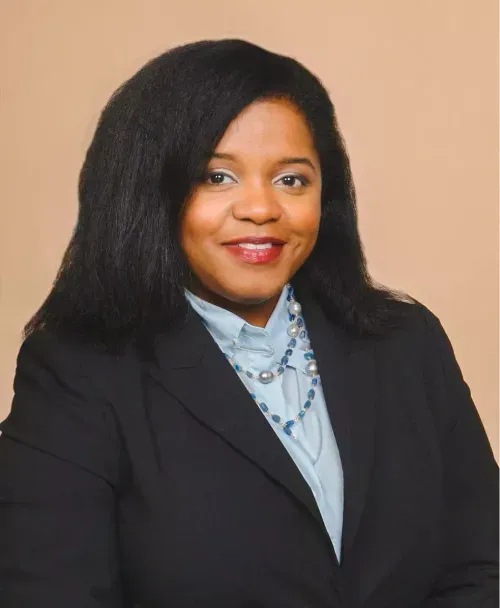
At Claxton Law Group, we understand the courage it takes to leave an abusive situation. Attorney Diane Claxton and our compassionate team are here to help you navigate the VAWA process safely and successfully. Contact us for a confidential consultation today.