


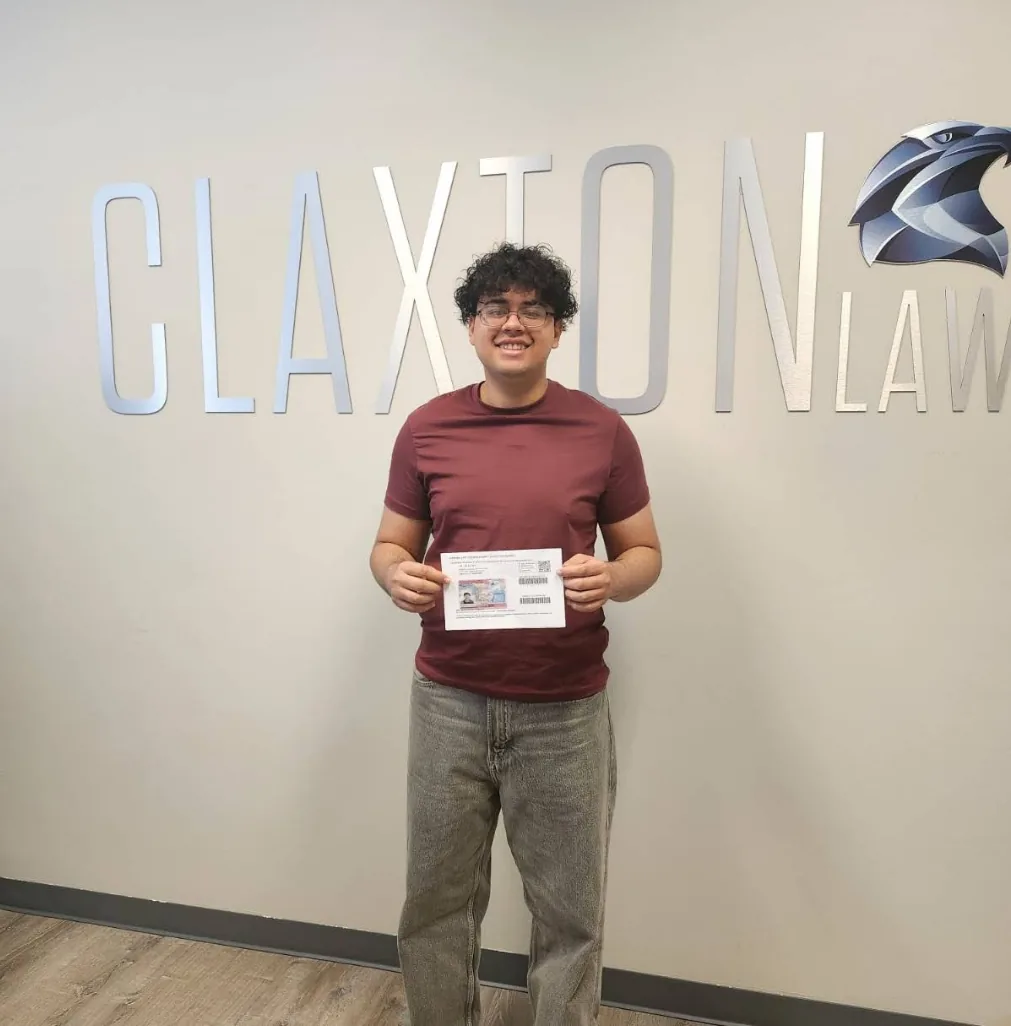

Hello, on behalf of my family we want to share our gratitude first to GOD, to attorney Diane Claxton and her wonderful team. We have obtained our work permits and continue advancing with our asylum case.


Navigating immigration can be overwhelming, but we make it easy. Follow these quick steps to connect with our legal team and get the support you need: fast, reliable, and stress-free.


Get answers to common questions about U-Visa and T-Visa applications.
Report the crime to the Police or the prosecutor's office. Before applying for a U-Visa we must submit a "certificate of helpfulness" signed by a law enforcement officer. This document informs USCIS that you have, in fact been a victim of a crime or cooperated with the police. In order to get this certification, the law enforcement officers must attest that the applicant was a victim of a qualifying crime and has been or is likely to be helpful to an investigation or prosecution of the crime. We will need a case number or the police report to request this certificate. Once the certificate of helpfulness is signed by law enforcement, we have 6 months to file your U-Visa application with USCIS.
Sexual crimes: rape, incest, sexual trafficking, sexual assault and abusive sexual contact, prostitution, sexual exploitation, and female genital mutilation. Violent crimes: murder, manslaughter, vehicular homicide, robbery, felonious assault, and domestic violence, stalking. Enslavement crimes: criminal restraint, kidnapping, abduction, being held hostage, forced labor, slavery, human trafficking, indentured or debt servitude, and false imprisonment. Obstruction of justice crimes: perjury, witness tampering, withholding evidence. Fraud in foreign labor contracting.
An applicant must prove that they have suffered "substantial" physical injury or mental anguish as a result of this criminal activity and must provide evidence such as: Medical records, An Affidavit detailing the physical or mental harm suffered, Statements from treating physicians and therapists, Psychological Evaluations, Photographs of physical injuries, and Affidavits or Reports from social workers
Certain family members may be eligible to become derivative U visa recipients if the principal applicant's application is approved. These include: Unmarried children under age 21, Spouse, Parents (if principal petitioner is under age 21), and Unmarried siblings under 18 years old (if principal petitioner is under age 21).
Yes, If you were the victim of a crime inside the United States and were deported or left the United States you may still be eligible for a U visa, and you can start the application while outside of the U.S.
Yes. Once you are approved for a U visa, you will be granted legal status in the U.S. for up to four years. Once you have held your U visa for three years, you may be eligible to apply for legal permanent residence (a green card).
Recruitment, transportation, transferring, harboring, or receiving of a person.
Prostitution, pornography, violence and sexual exploitation, forced labor, involuntary servitude, debt bondage, or slavery. Adult victims of human trafficking must prove that the crime involved at least one element from each of the above three. Child victims of human trafficking need only show an element from the Process and Goal categories.
Yes, Immediate Family members can be Derivatives of your U-Visa.
Yes, you may apply for a green card after 3 years of being approved and admitted for a T-Visa or after the Law enforcement agency finishes their investigation, whichever is sooner.
Certification process for the U visa and the trafficking-specific T visa eligibility framework.
4-year EAD and deferred action on the waiting list. Eligibility, timeline, and how to position the petition.
Read guide →Form I-918 Supplement B, qualifying crimes, helpfulness standard, what to do if the agency refuses.
Read guide →Severe trafficking, physical presence, reasonable cooperation, family derivatives.
Read guide → Trusted by survivors of crime and trafficking nationwide.
Hello, on behalf of my family we want to share our gratitude first to GOD, to attorney Diane Claxton and her wonderful team. We have obtained our work permits and continue advancing with our asylum case.
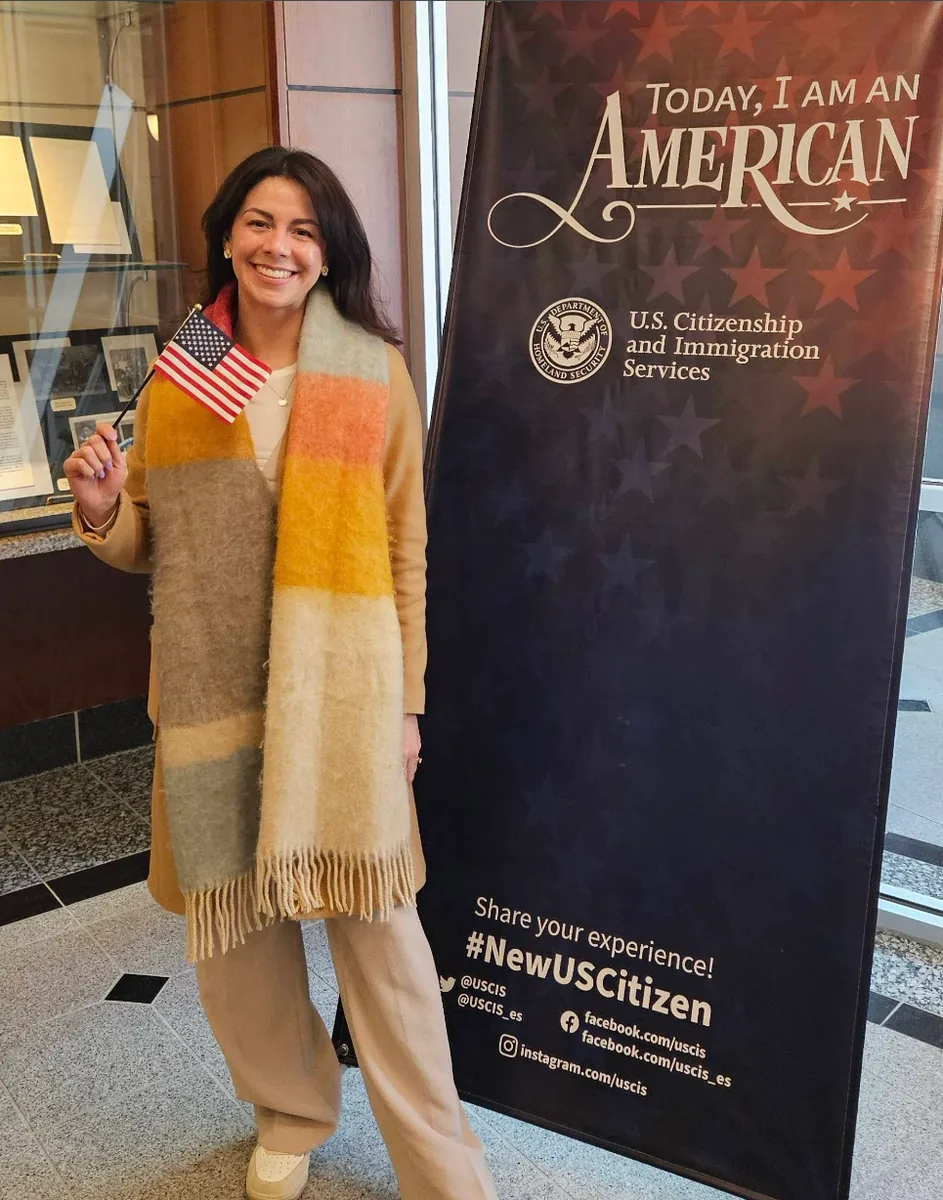
I am incredibly grateful to attorneys Diane and Donald and paralegal Diana for their support in preparing my N-400 application and interview. Even though I am in Washington and they are based in Florida, they guided me seamlessly through the entire process. While they couldn't be with me at the interview, they made sure I was well-prepared, giving me the confidence I needed to go in on my own. Thanks to their help, I was ready, approved, and officially became a U.S. citizen last week! A special shout-out to paralegal Diana, who was incredibly responsive, diligent, detail-oriented, and supportive throughout the entire process. She always made sure my questions were answered and kept everything on track, which I truly appreciated!
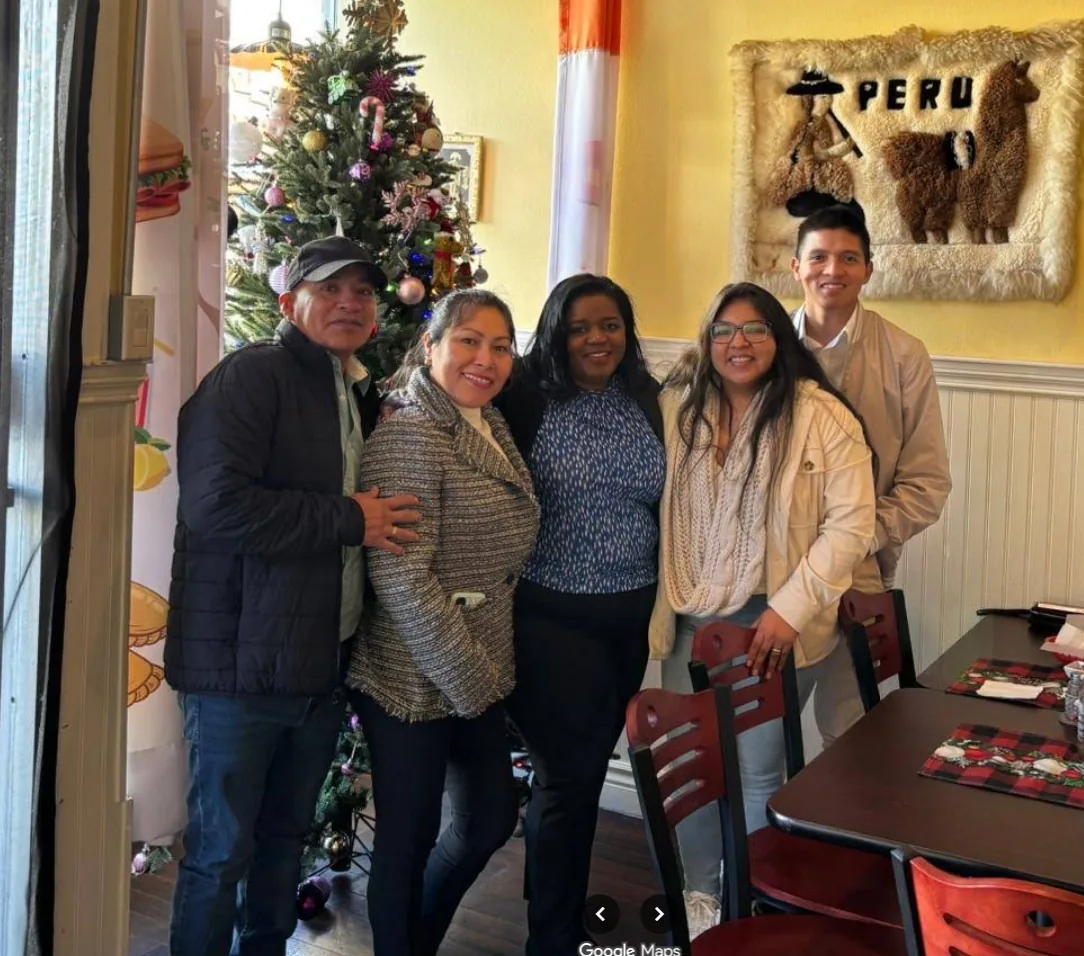
Good morning, on December 4th our family had our final court hearing. Thank God we received a positive outcome. I am very grateful to Claxton Law Group PLLC for all their support from day one. When we needed help, they were always there for us, supporting us and answering our questions. We had the privilege of meeting attorney Diane, a very kind person. Thank you to Lea and Carlos for all their hard work every day. We will continue with you until the very end, God willing. Blessings!