


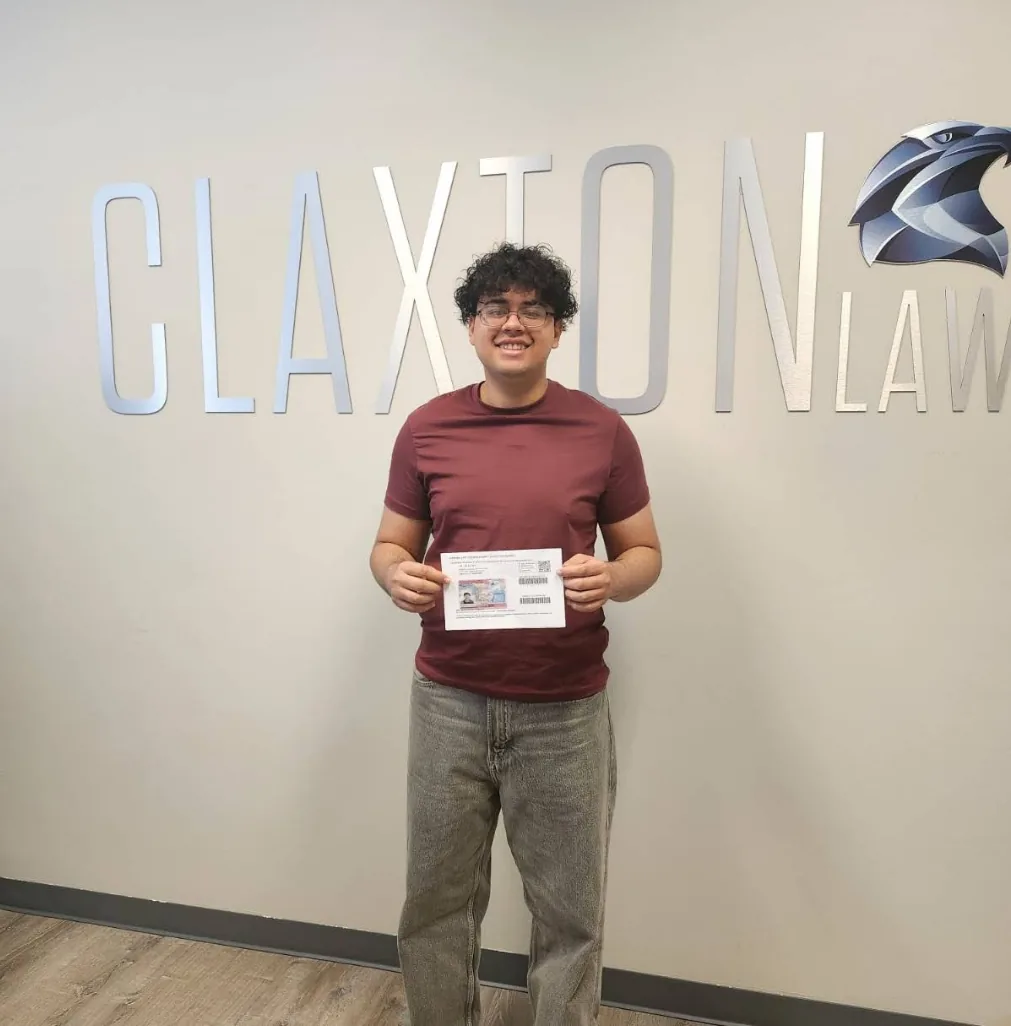

Hello, on behalf of my family we want to share our gratitude first to GOD, to attorney Diane Claxton and her wonderful team. We have obtained our work permits and continue advancing with our asylum case.


Navigating immigration can be overwhelming, but we make it easy. Follow these quick steps to connect with our legal team and get the support you need: fast, reliable, and stress-free.
Once the provisional waiver is approved, the applicant must process their visa application and prepare for an interview at the U.S. consulate in their home country to complete the process of obtaining permanent residency.
Once you approve the pardon within the country, the consular process is done and you are given your appointment at the American Embassy, but the saying is easier than done.
Once the waiver is approved either by USCIS (United States Citizenship and Immigration Services), the applicant must receive an information packet from the U.S. Embassy in their home country. The packet will instruct you to set up a new interview at the consulate. When you return from the interview you will be a legal permanent resident.


Get answers to common questions about the waiver process.
Unlawful presence is the period when you are in the United States without being admitted or have received permission to enter or when you are not in a "period of stay authorized by the Secretary of Homeland Security."
The government looks at a hardship to the USC or LPR Relative who will be left behind if the immigrant were to be deported and barred from returning to the United States.
Currently, the process of applying for an Immigration Waiver for the United States is resolved between 8 and 24 months, approximately.
Although denials of an I-601A waiver are not appealable, applicants may refile a new waiver application showing that they have new or additional evidence.
It depends on the consulate. For example, if you are from Mexico, the consular appointment in Ciudad Juarez, after your waiver is approved, is about two years. From countries other than Mexico the wait is approximately one year
Walkthroughs of the provisional unlawful presence waiver process and related references.
Trusted by families across the country.
Hello, on behalf of my family we want to share our gratitude first to GOD, to attorney Diane Claxton and her wonderful team. We have obtained our work permits and continue advancing with our asylum case.
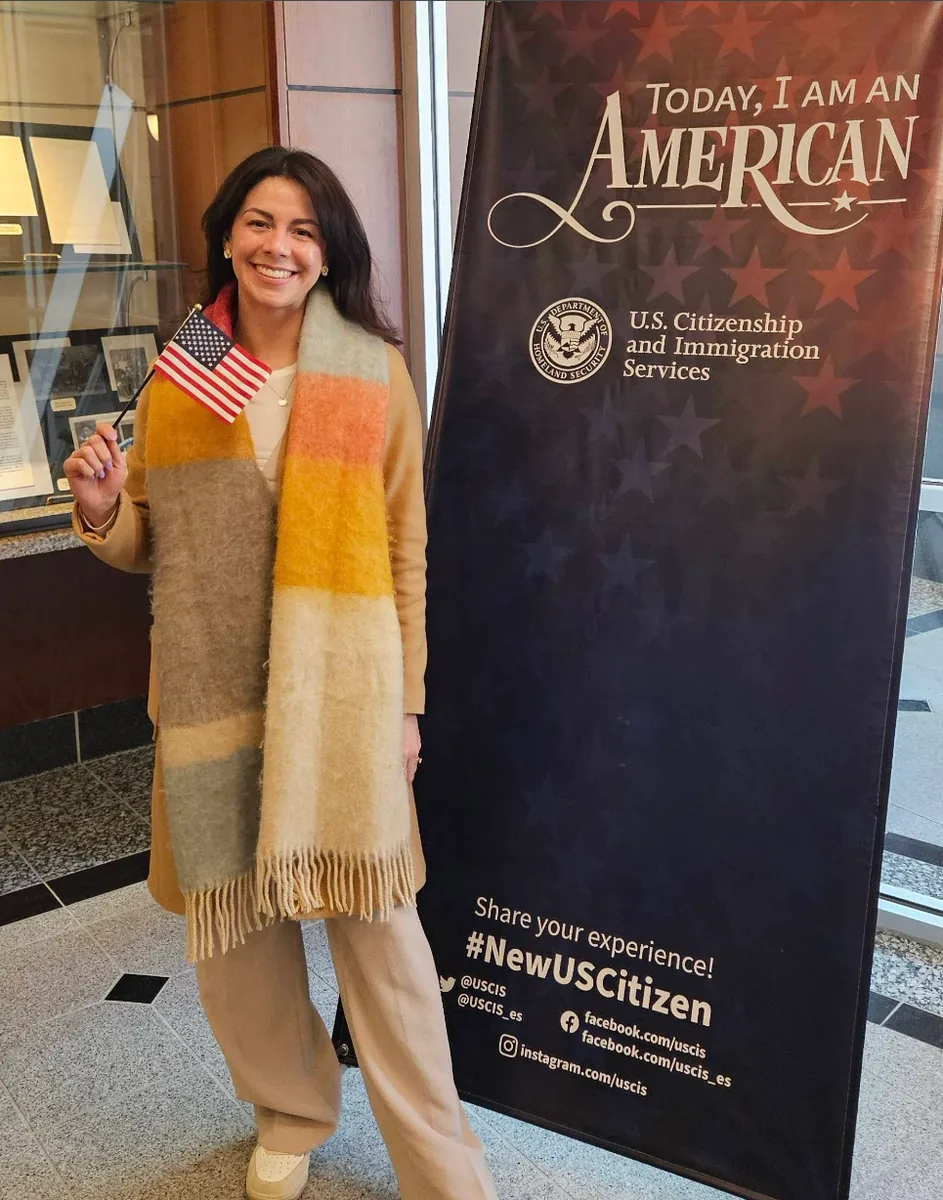
I am incredibly grateful to attorneys Diane and Donald and paralegal Diana for their support in preparing my N-400 application and interview. Even though I am in Washington and they are based in Florida, they guided me seamlessly through the entire process. While they couldn't be with me at the interview, they made sure I was well-prepared, giving me the confidence I needed to go in on my own. Thanks to their help, I was ready, approved, and officially became a U.S. citizen last week! A special shout-out to paralegal Diana, who was incredibly responsive, diligent, detail-oriented, and supportive throughout the entire process. She always made sure my questions were answered and kept everything on track, which I truly appreciated!
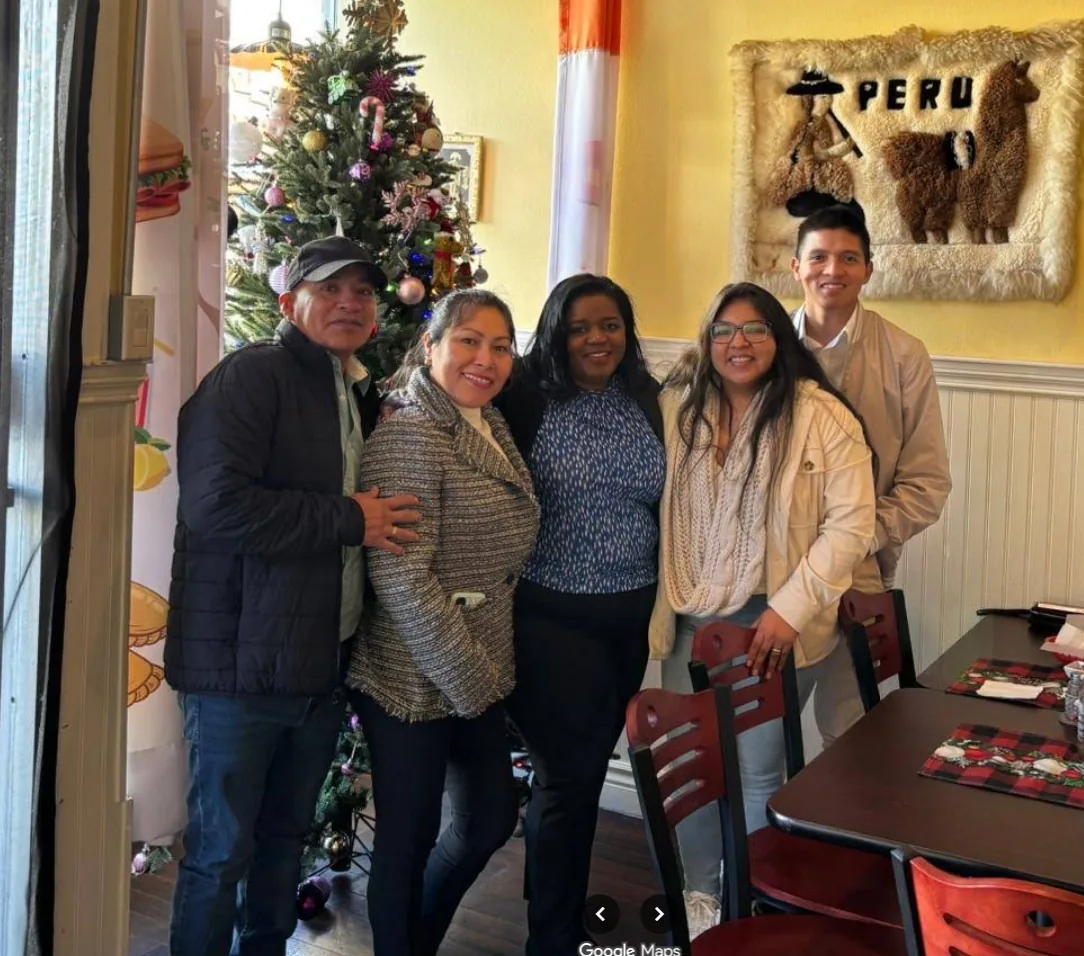
Good morning, on December 4th our family had our final court hearing. Thank God we received a positive outcome. I am very grateful to Claxton Law Group PLLC for all their support from day one. When we needed help, they were always there for us, supporting us and answering our questions. We had the privilege of meeting attorney Diane, a very kind person. Thank you to Lea and Carlos for all their hard work every day. We will continue with you until the very end, God willing. Blessings!