


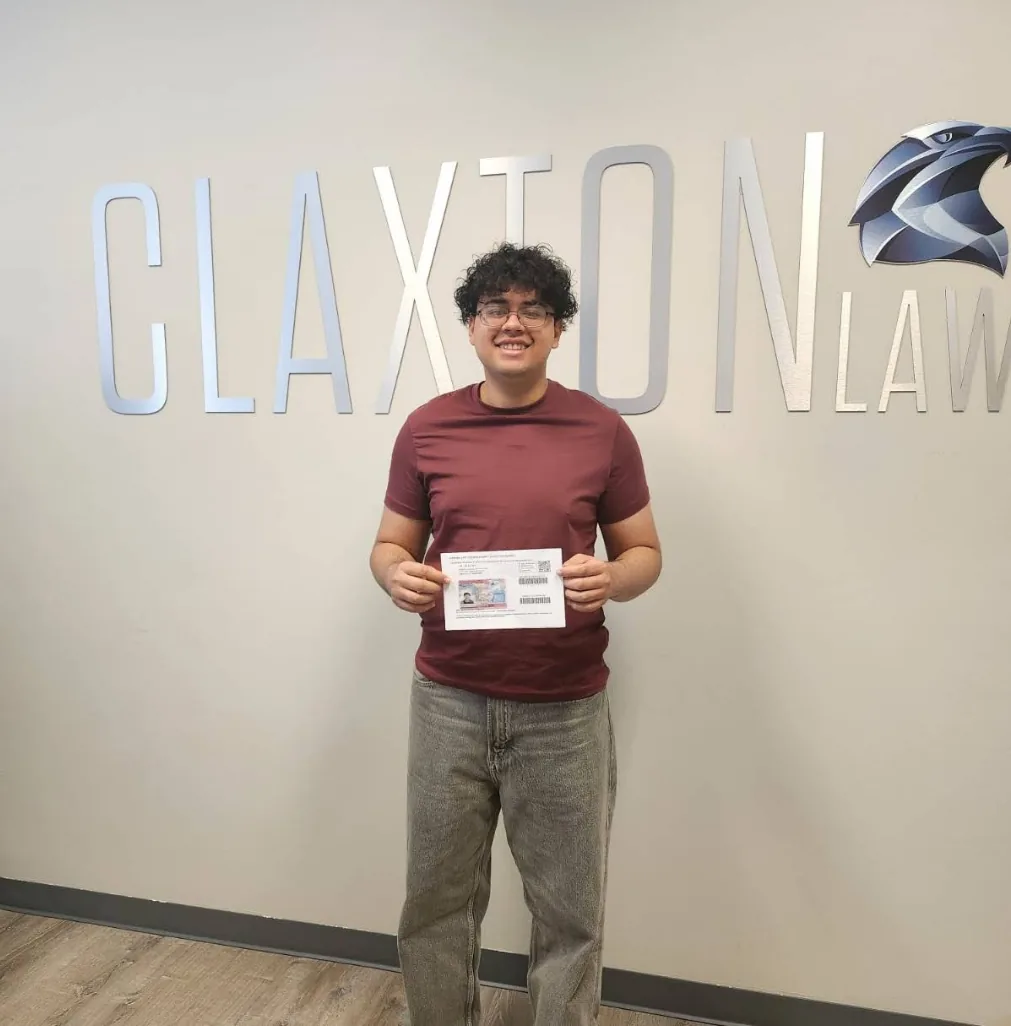

Hello, on behalf of my family we want to share our gratitude first to GOD, to attorney Diane Claxton and her wonderful team. We have obtained our work permits and continue advancing with our asylum case.


Navigating immigration can be overwhelming, but we make it easy. Follow these quick steps to connect with our legal team and get the support you need: fast, reliable, and stress-free.
Deep-dive resources written by our immigration attorneys.


Get answers to common questions about the VAWA self-petition process.
They can obtain lawful permanent residence and obtain a permanent resident card (also known as a Green Card).
Yes, you can. As long as they are single and on their own, they have not started the VAWA application process.
Yes, you can also include in your petition your unmarried children under the age of 21 if they have not yet submitted their own application.
You will need to prove that you were genuinely married and not for the purpose of evading immigration laws. What if the abusive family member died or lost U.S. citizenship? Can I be eligible for the VAWA petition? Yes, you are still eligible for the VAWA self-petition.
If you live outside the United States at the time of filing your self-petition, you must show that you meet one of the following requirements in addition to the eligibility requirements listed: 1. Your abusive family member who is a U.S. citizen or lawful permanent resident is a member of the U.S. armed forces. 2. You were a victim of abuse or extreme cruelty in the United States. 3. If you are applying as the spouse or child of an abusive U.S. citizen or lawful permanent resident, you may include your child(ren) as derivative beneficiaries in the self-petition.
Yes, shelters for battered women receive funding from a variety of federal sources, including the Family Violence Prevention and Services Act (FVPSA) of the Administration for Children and Families' Office of Community Services. These funds are administered through a designated state agency. The FVPSA does not include immigration restrictions, and HHS has not designated FVPSA funds as a federal public benefit program that requires verification of immigration status.
VAWA self-petition evidence and related protections for survivors of abuse and crime.
The five elements you must prove: abuser status, relationship, residence, abuse, good moral character.
Read guide →Proof requirements for VAWA self-petitioners step by step.
Read guide →Form I-918 Supplement B, qualifying crimes, helpfulness standard.
Read guide →Severe trafficking, physical presence, reasonable cooperation.
Read guide → What clients say about working with Claxton Law.
Hello, on behalf of my family we want to share our gratitude first to GOD, to attorney Diane Claxton and her wonderful team. We have obtained our work permits and continue advancing with our asylum case.
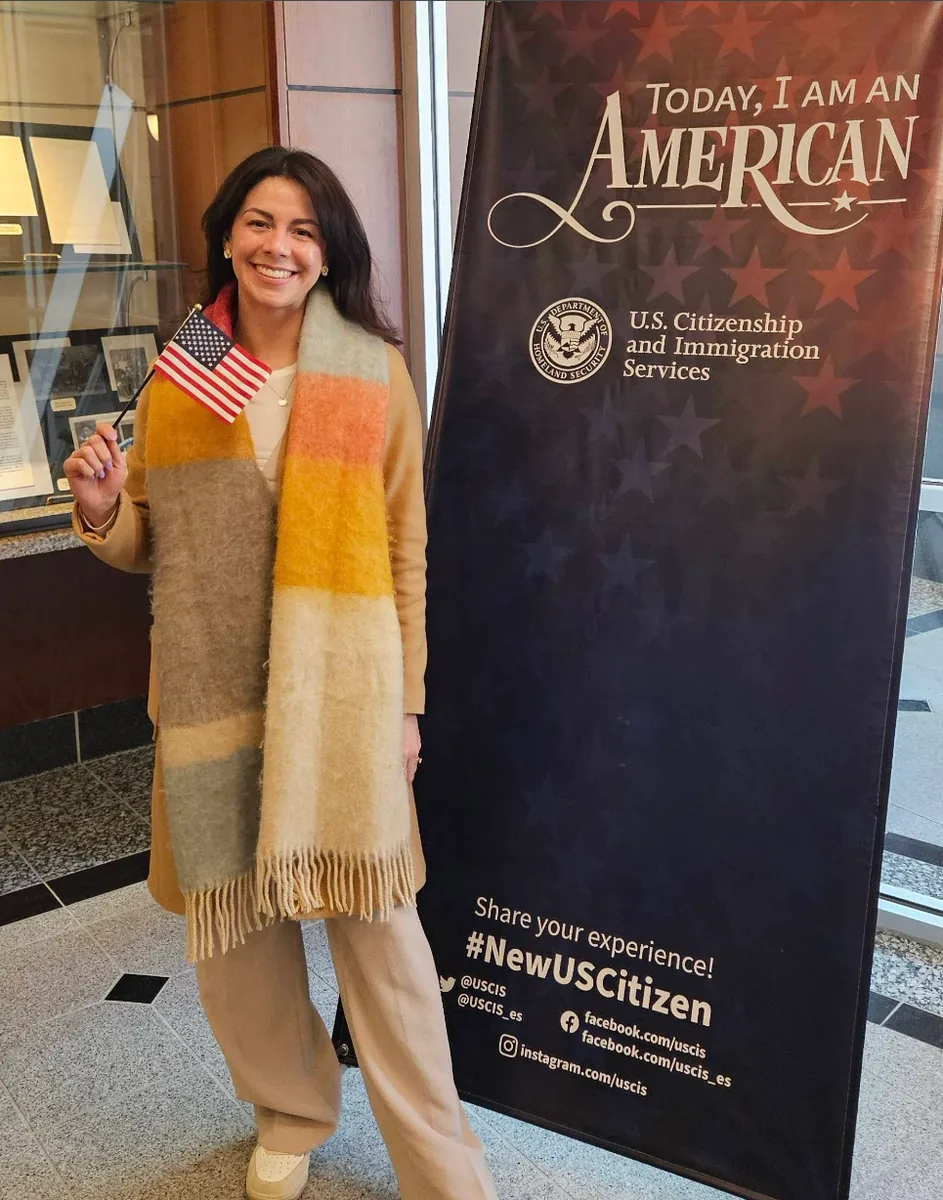
I am incredibly grateful to attorneys Diane and Donald and paralegal Diana for their support in preparing my N-400 application and interview. Even though I am in Washington and they are based in Florida, they guided me seamlessly through the entire process. While they couldn't be with me at the interview, they made sure I was well-prepared, giving me the confidence I needed to go in on my own. Thanks to their help, I was ready, approved, and officially became a U.S. citizen last week! A special shout-out to paralegal Diana, who was incredibly responsive, diligent, detail-oriented, and supportive throughout the entire process. She always made sure my questions were answered and kept everything on track, which I truly appreciated!
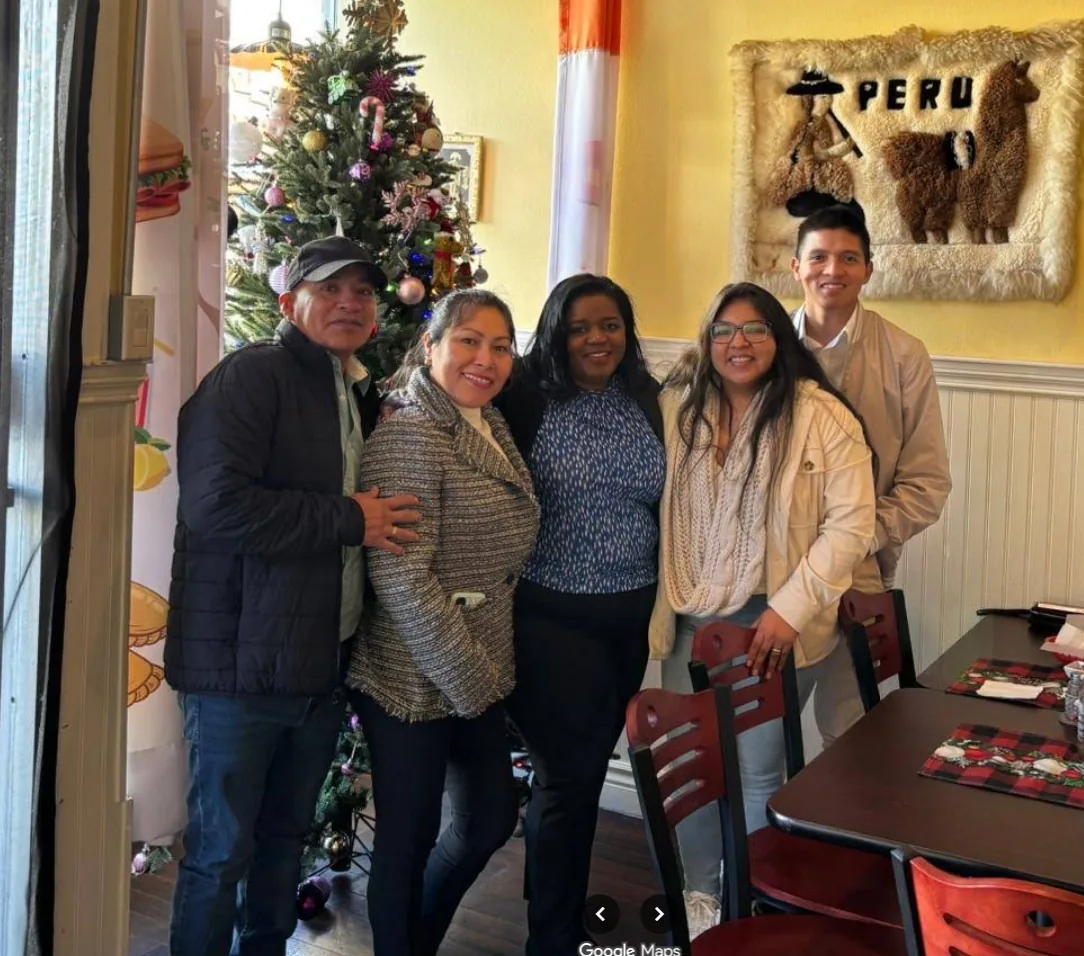
Good morning, on December 4th our family had our final court hearing. Thank God we received a positive outcome. I am very grateful to Claxton Law Group PLLC for all their support from day one. When we needed help, they were always there for us, supporting us and answering our questions. We had the privilege of meeting attorney Diane, a very kind person. Thank you to Lea and Carlos for all their hard work every day. We will continue with you until the very end, God willing. Blessings!